Irrigation Water Efficiency: 6 Practical Ways an Irrigation Reel Can Reduce Waste
 mediaworkshailey
 Blog
Blog
If you are trying to improve irrigation water efficiency on working acreage, an irrigation reel (hard hose traveler) can be a smart, flexible tool. The real value is not just “watering the field.” It is applying the right amount, in the right place, at t
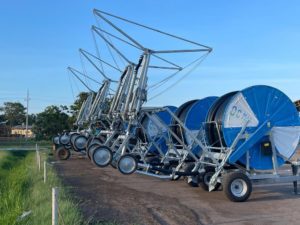
he right pace, with fewer losses to runoff, wind drift, and uneven coverage.
Because the system is portable, it also works well for irregular field shapes, rented ground, and rotations where permanent irrigation is not practical. And when the reel’s travel speed and sprinkler setup are dialed in, you can make more predictable irrigation passes, which helps reduce the common habit of “overwatering just to be safe.”
1) Aim for Consistent Application, Not “More Water”
One of the biggest drivers of irrigation water efficiency is uniformity. When watering is uneven, you tend to overwater the dry spots to compensate, which wastes water in the already-wet areas. With a traveler, consistent application comes down to setup: lane spacing, overlap, travel speed, and matching the sprinkler package to your flow and pressure. The machine can do its job well, but the “recipe” matters.
2) Protect Pressure Where It Counts
Pressure losses reduce sprinkler performance and can turn good water into wasted water. Some systems are designed with efficiency in mind. For example, OCMIS highlights the Vario Rain concept as focusing on water saving and reducing pressure losses through its turbine and gearbox approach. When more usable pressure is available at the sprinkler, you typically get a cleaner pattern and better control, which supports irrigation water efficiency in day-to-day operation.
3) Set Travel Speed Based on Soil Intake, Not Convenience
Travel speed is where a lot of waste happens. Too fast and you under-apply, then you come back again sooner than planned. Too slow and you can exceed the soil’s intake rate, which leads to runoff. A practical habit is to adjust speed based on:
- soil type and slope
- recent rainfall and current moisture
- crop stage and rooting depth
- heat, wind, and evapotranspiration conditions
Dialing in speed is one of the simplest ways to improve irrigation water efficiency without changing your water source or infrastructure.
4) Match the Nozzle or Gun to Your Flow and Conditions
An irrigation reel is only as efficient as the sprinkler at the end of the hose. Nozzle selection affects droplet size, throw distance, and how well the pattern holds up in wind. If you are consistently irrigating in breezy conditions, you may need to adjust nozzle size, pressure, or lane spacing to reduce drift. The goal is to keep water landing on crop, not outside the target area, which directly improves irrigation water efficiency.
5) Use Simple Maintenance Checks to Prevent “Silent” Waste
Small issues create big losses over a season. For better irrigation water efficiency, build quick checks into your routine:
- look for leaks at fittings, hose, and connections
- confirm the cart tracks straight and moves smoothly
- verify retraction speed stays consistent
- check sprinkler rotation and pattern
- monitor pressure at the machine and near the sprinkler when possible
A slow leak or poor sprinkler pattern can waste water every hour the machine runs, even if everything else looks fine.
6) Winterize and Store Correctly So Next Season Starts Efficient
End-of-season habits matter more than most people think. Draining, cleaning, and storing your traveler properly helps preserve hose life, prevents freeze damage, and reduces surprise repairs that lead to rushed setups. A clean start next spring makes it easier to hit your target depth and timing from the first irrigation, which supports irrigation water efficiency all season long.
Bringing It Together For Your Operation
Improving irrigation water efficiency is rarely about a single “magic” feature. It is usually the result of good basics repeated consistently: protect pressure, match the sprinkler to the job, set the right speed, and stay ahead of maintenance. An irrigation reel gives you the flexibility to do that across different fields and changing conditions, which is exactly why many farms keep them in rotation year after year. Best Irrigation Reel helps make that process easier by pairing growers with proven OCMIS irrigation reel options and practical product support, so you can dial in a setup that fits your flow, pressure, and acreage goals while reducing waste over the season.